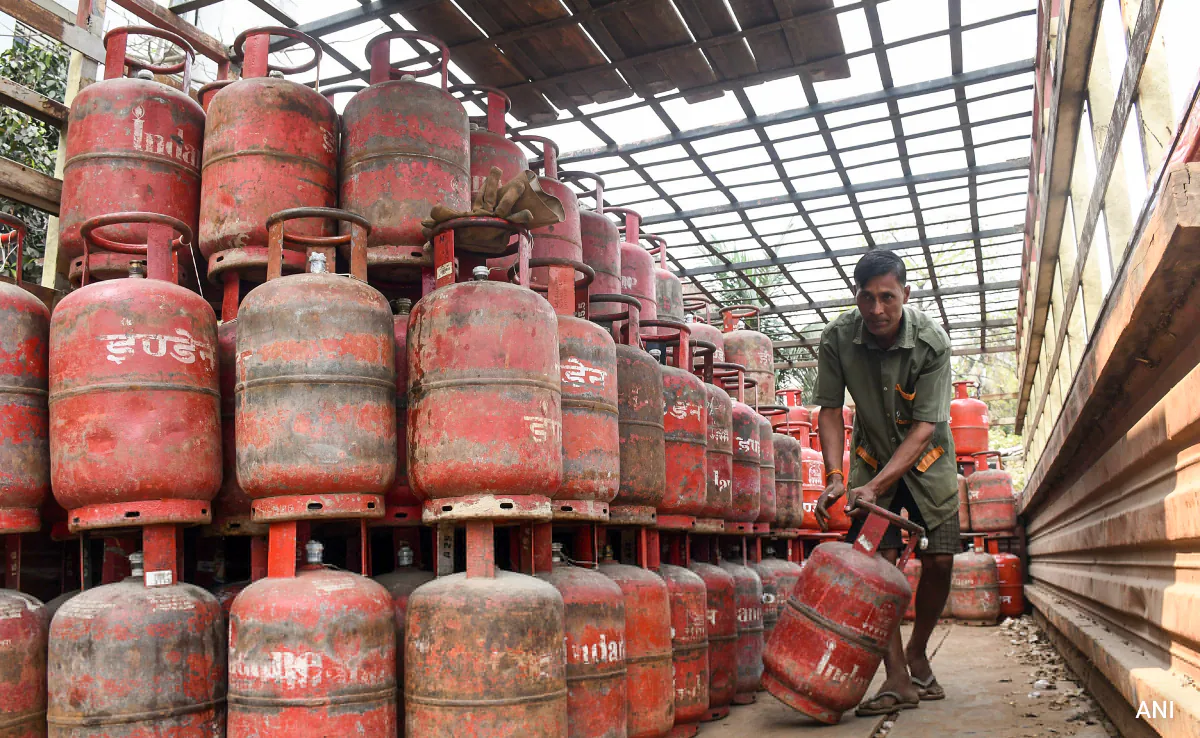
Residents of Bengaluru are increasingly reporting delays in the delivery of LPG cooking gas cylinders as demand continues to grow across the city. The issue has become a concern for households, restaurants, and small food businesses that depend on LPG for daily operations.
Liquefied Petroleum Gas, commonly known as LPG, remains the primary cooking fuel for millions of households across India. In a fast-growing city like Bengaluru, where the population continues to rise every year, the demand for cooking gas has also increased significantly.
Major oil companies such as Indian Oil Corporation, Bharat Petroleum, and Hindustan Petroleum are responsible for supplying LPG cylinders to distributors across the city. However, recent reports suggest that supply chains are facing pressure due to increasing demand and logistical challenges.
Growing Demand for LPG in Bangalore
Bengaluru is one of India’s fastest-growing metropolitan cities. Thousands of people move to the city every year for employment, education, and business opportunities.
As the population grows, the number of households requiring LPG cylinders also increases.
In addition to residential demand, LPG is also widely used by:
restaurants
food delivery kitchens
street food vendors
hotels
catering businesses
This growing demand has created pressure on the city’s LPG distribution network.
Reports of Delivery Delays
Several consumers in different areas of Bengaluru have reported longer waiting times for LPG cylinder deliveries.
Typically, once a consumer books a gas cylinder through the distributor, delivery is expected within two to three days.
However, some residents say they are now waiting up to five or even seven days to receive their cylinders.
Delivery delays have been reported in areas such as:
Whitefield
Electronic City
Yelahanka
BTM Layout
These delays have raised concerns among residents who depend on LPG for daily cooking.
Reasons Behind the LPG Supply Pressure
Experts say multiple factors are contributing to the current supply pressure in Bengaluru.
1. Population Growth
Bengaluru’s population growth has increased the number of LPG connections across the city.
2. Higher Restaurant Demand
The city’s growing food industry requires large quantities of LPG cylinders.
3. Transportation Challenges
Traffic congestion and logistical issues sometimes slow down cylinder deliveries.
4. Increased Energy Consumption
More households are relying exclusively on LPG instead of traditional fuels.
These factors combined are placing pressure on the distribution network.
Role of LPG Distributors
LPG cylinders are supplied to consumers through authorized distributors.
These distributors receive cylinders from oil companies and deliver them to households.
Most residents book LPG cylinders through online platforms or mobile apps provided by oil companies.
Some consumers still prefer to book cylinders through phone calls or visiting local distributors.
Despite modern booking systems, physical delivery still depends on local distribution networks.
Impact on Households
For households, delays in LPG delivery can create significant inconvenience.
Many families rely entirely on LPG for cooking daily meals.
When cylinders are delayed, families may have to:
reduce cooking activities
borrow cylinders from neighbors
use electric stoves temporarily
For low-income households, these alternatives may not always be practical.
Restaurants and Small Businesses Affected
The shortage or delay of LPG cylinders can also affect small businesses.
Restaurants and food vendors depend heavily on commercial LPG cylinders to run their kitchens.
If deliveries are delayed, businesses may face problems such as:
interruptions in food preparation
reduced business hours
additional operational costs
Some restaurants maintain backup cylinders to avoid disruptions.
However, smaller vendors may not always have this option.
Government LPG Subsidy Programs
The Indian government has introduced several programs to make LPG accessible to households.
One major initiative is the Pradhan Mantri Ujjwala Yojana.
This program aims to provide affordable LPG connections to low-income families across India.
Millions of households have benefited from the scheme, which has significantly increased LPG usage across the country.
While the program has improved access to clean cooking fuel, it has also increased overall demand for LPG cylinders.
LPG Cylinder Safety Awareness
With rising LPG usage, safety awareness has become extremely important.
Consumers are advised to follow several safety guidelines while using LPG cylinders.
Important Safety Tips
keep cylinders in an upright position
ensure proper ventilation in the kitchen
check for gas leaks regularly
avoid placing cylinders near heat sources
Following these precautions helps prevent accidents and ensures safe cooking.
Alternative Cooking Options
Some households in Bengaluru are exploring alternative cooking methods.
These include:
induction stoves
electric cooking appliances
piped natural gas (PNG)
In some parts of the city, piped natural gas connections are gradually being introduced.
PNG provides a continuous gas supply without the need for cylinders.
However, the network is still expanding and not available everywhere.
Future Outlook for LPG Supply
Experts believe that LPG supply challenges can be managed through improved logistics and infrastructure.
Oil companies are working to strengthen distribution networks in major cities.
Possible solutions include:
increasing the number of distributors
improving transportation systems
expanding storage facilities
These measures could help ensure timely delivery of LPG cylinders in the future.
Importance of Efficient Energy Use
Energy experts also emphasize the importance of using LPG efficiently.
Consumers can reduce gas consumption by adopting simple practices such as:
using pressure cookers
covering cooking vessels
maintaining burners properly
These small steps can help households save gas and reduce expenses.
Conclusion
LPG gas cylinders remain an essential part of daily life for millions of people in Bengaluru. From households to restaurants, cooking gas plays a vital role in the city’s food ecosystem.
While reports of delivery delays have raised concerns, authorities and oil companies continue working to improve supply systems.
With growing demand and rapid urban development, efficient distribution and responsible energy usage will be key to ensuring a stable LPG supply for the future.
Residents are encouraged to book cylinders in advance and follow safe usage practices to avoid inconvenience.