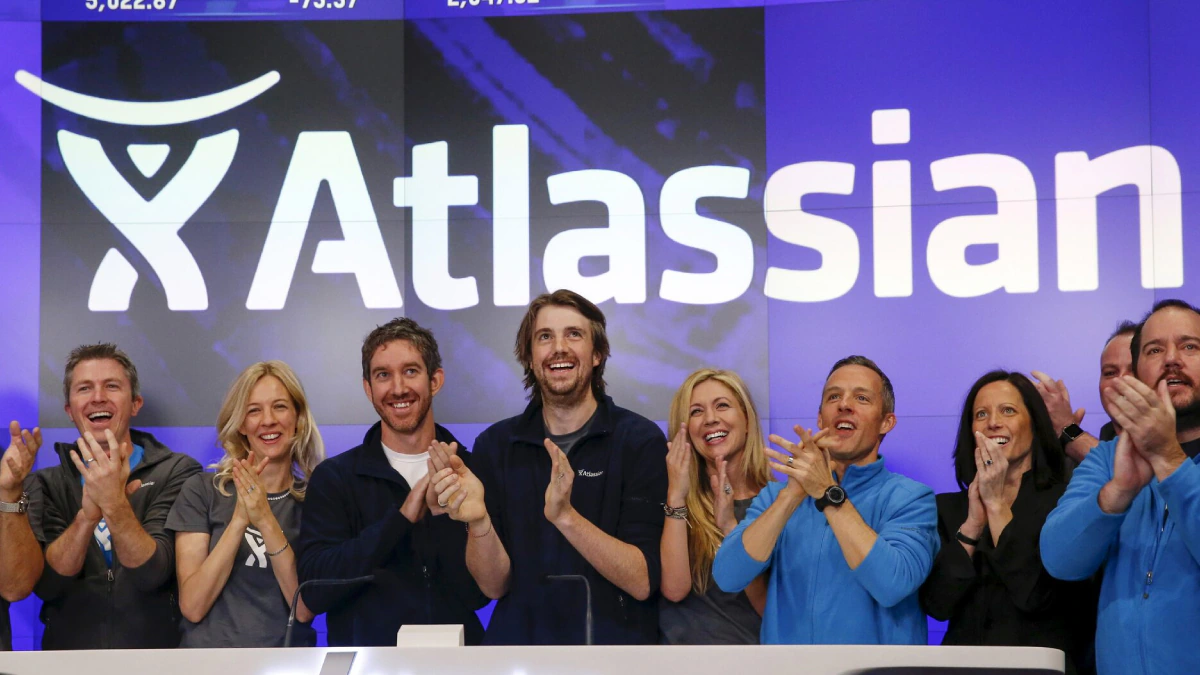
The global technology industry is experiencing major changes as artificial intelligence reshapes the future of work. One of the latest companies to announce large job cuts is Atlassian, a well-known software firm that provides tools used by millions of developers and organizations around the world.
The company recently confirmed that it will lay off approximately 1,600 employees, representing around 10% of its global workforce. The decision comes as part of a major restructuring effort aimed at focusing more heavily on artificial intelligence and enterprise services.
The announcement has sparked widespread discussions in the tech community about the impact of AI on jobs and the future of software development.
What Is Atlassian?
Before understanding the layoffs, it is important to know about the company itself.
Atlassian is a global technology company founded in 2002 in Sydney. It develops software tools used by developers, engineers, and business teams to collaborate and manage projects.
Some of its most popular products include:
Jira
Confluence
Trello
These tools are widely used by companies around the world to manage projects, track software development, and collaborate across teams.
Over the years, Atlassian has grown into one of the most influential companies in the enterprise software sector.
Atlassian Layoffs: What Happened?
In March 2026, the company announced a significant restructuring plan that includes cutting around 1,600 jobs globally.
The layoffs will affect employees across several regions, including:
North America
Australia
India
Europe
Japan and the Philippines
According to company disclosures, North America will see the largest share of job cuts, followed by Australia and India.
The layoffs are part of a strategic shift aimed at preparing the company for the growing role of artificial intelligence in software development.
Why Atlassian Is Laying Off Employees
The primary reason behind the layoffs is the company’s push toward AI-driven technologies.
Executives have explained that artificial intelligence is changing how software products are built and used.
As a result, the company needs different skills and fewer roles in certain areas.
CEO Mike Cannon‑Brookes told employees that the company must restructure to adapt to the future of teamwork in the AI era.
He emphasized that the move is not about replacing people directly with AI but about adjusting the workforce to match changing technological needs.
This shift reflects a broader trend across the global tech industry.
Leadership Changes During the Restructuring
Along with the layoffs, the company also announced leadership changes.
Chief Technology Officer Rajeev Rajan will step down from his position during the restructuring process.
The company plans to appoint new leadership focused on advancing artificial intelligence initiatives and next-generation product development.
These changes are intended to accelerate Atlassian’s transition toward AI-powered software solutions.
Financial Impact of the Layoffs
Large layoffs often come with significant financial costs.
Atlassian expects the restructuring to result in expenses between $225 million and $236 million.
These costs include:
severance packages
employee benefits
office space reductions
Despite the large expense, investors reacted positively to the announcement, and the company’s stock price increased slightly after the news.
This reaction suggests that investors believe the restructuring could strengthen the company’s long-term growth.
Support for Laid-Off Employees
The company has stated that employees affected by the layoffs will receive support and compensation.
Reported benefits include:
at least 16 weeks of severance pay
healthcare benefits for several months
bonuses where applicable
a technology stipend
These measures are designed to help affected employees transition to new job opportunities.
The Growing Influence of Artificial Intelligence
The Atlassian layoffs highlight the increasing impact of artificial intelligence on the global job market.
AI technologies are rapidly transforming industries such as:
software development
customer service
marketing
finance
Automation and machine learning tools can now perform tasks that previously required large teams of workers.
As a result, many companies are reorganizing their workforce structures.
Tech Industry Layoffs and AI
Atlassian is not the only company making such changes.
Across the technology sector, many companies have announced job cuts as they shift toward AI-driven business models.
Experts believe the tech industry is entering a period of transformation in which companies must adapt to new technologies and changing market conditions.
While some jobs may disappear, new roles related to AI development, machine learning, and data science are expected to emerge.
Concerns About Job Losses
Despite the potential benefits of AI innovation, the layoffs have raised concerns among workers and industry observers.
Critics argue that rapid technological change could lead to widespread job losses in the future.
Employees in roles related to:
traditional software development
customer support
operations management
may face increasing pressure as companies adopt automation technologies.
Some labor groups have also criticized the lack of consultation before the layoffs were announced.
How the Market Reacted
Interestingly, financial markets reacted positively to the news.
Following the announcement, Atlassian’s stock price rose slightly in after-hours trading.
Analysts say investors often view restructuring efforts as a sign that companies are focusing on efficiency and future growth.
However, the long-term impact will depend on how successfully the company implements its AI strategy.
The Future of Atlassian
Despite the layoffs, Atlassian remains one of the most important companies in the enterprise software industry.
The company plans to invest heavily in artificial intelligence features that will enhance its collaboration tools.
These innovations could include:
AI-powered coding assistants
automated project management
intelligent workflow automation
Such technologies could significantly change how businesses manage teamwork and software development.
The Bigger Picture: AI and the Future of Work
The Atlassian layoffs illustrate a broader transformation taking place across the global economy.
Artificial intelligence is not just improving productivity—it is also changing the structure of the workforce.
Experts believe that future jobs will increasingly require skills such as:
AI development
data analysis
machine learning engineering
digital transformation strategy
Workers who adapt to these skills may find new opportunities in the evolving technology landscape.
Conclusion
The decision by Atlassian to lay off around 1,600 employees marks one of the latest examples of how artificial intelligence is reshaping the global technology industry.
While the layoffs represent a difficult moment for affected employees, the company believes the restructuring will help it remain competitive in the rapidly changing AI era.
As technology continues to evolve, businesses around the world will likely face similar challenges as they adapt to new innovations.
For the tech industry, the Atlassian layoffs may serve as a reminder that the future of work will require constant learning, adaptation, and innovation.