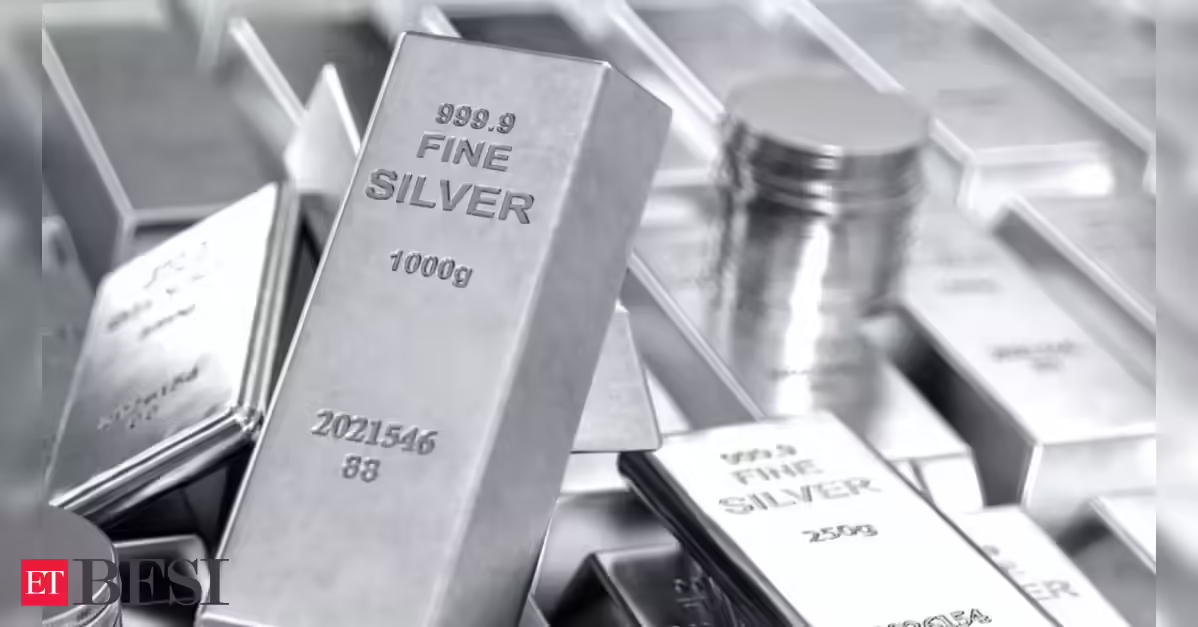
The silver price today in India has become one of the most closely tracked indicators in the commodity market, especially in 2026 as global economic uncertainty continues to influence precious metal prices. Silver, often considered the more affordable alternative to gold, plays a dual role as both an investment asset and an industrial metal, making its price movements particularly dynamic.
In recent weeks, silver prices have experienced sharp fluctuations, drawing the attention of investors, traders, and even retail buyers. Understanding the current price trends, the reasons behind them, and what lies ahead is essential for anyone looking to invest or purchase silver.
Silver Price Today in India
As of the latest update, silver prices in India are trading at approximately:
₹275 to ₹290 per gram
₹2,750 to ₹2,900 per 10 grams
₹2,75,000 to ₹2,90,000 per kilogram
These prices are indicative and may vary slightly based on location, taxes, and dealer margins. The pricing structure reflects both global market trends and domestic demand.
Sharp Decline in Silver Prices
March 2026 has seen a notable decline in silver prices. After reaching higher levels earlier in the year, silver has corrected significantly, surprising many investors.
The drop has been driven by:
Global market corrections
Changing investor sentiment
External economic pressures
This decline has opened up potential buying opportunities for long-term investors while also raising concerns about short-term volatility.
Why Silver Prices Are Falling
Several factors are contributing to the current fall in silver prices:
Strong US Dollar
A stronger US dollar reduces the attractiveness of silver in international markets, leading to lower demand.
Rising Interest Rates
When interest rates increase, investors tend to shift towards fixed-income assets, reducing demand for non-yielding assets like silver.
Profit Booking
Investors who benefited from earlier price increases are now selling their holdings, causing prices to fall.
Global Economic Uncertainty
Despite geopolitical tensions, investors are behaving cautiously, impacting commodity markets including silver.
City-Wise Silver Price in India
Silver prices are relatively consistent across major Indian cities, with minor variations.
Mumbai: ₹2,75,000 to ₹2,85,000 per kg
Delhi: ₹2,80,000 to ₹2,90,000 per kg
Chennai: Around ₹2,90,000 per kg
Bangalore: ₹2,75,000 to ₹2,85,000 per kg
These variations are due to transportation costs, local taxes, and regional demand.
Silver vs Gold: Key Differences
While both silver and gold are precious metals, their market behavior differs significantly.
Gold is primarily a store of value, while silver has both investment and industrial uses. This makes silver more volatile but also gives it higher growth potential in certain conditions.
Silver often follows gold trends but with sharper movements, making it attractive for investors willing to take calculated risks.
Industrial Demand Driving Silver
One of the most important factors influencing silver prices is its industrial demand.
Silver is widely used in:
Electronics
Solar panels
Electric vehicles
Medical devices
As industries grow, especially in renewable energy and technology, silver demand is expected to increase, supporting its long-term price growth.
Is This the Right Time to Buy Silver?
With prices currently lower than recent highs, many experts believe this could be a good time to consider buying silver.
Advantages of buying now include:
Lower entry price
Strong long-term demand
Potential for price recovery
However, investors should be cautious about short-term volatility and invest based on their financial goals.
Silver as an Investment Option
Silver is becoming increasingly popular among investors due to its affordability and growth potential.
Benefits include:
Lower cost compared to gold
High liquidity
Strong industrial demand
However, risks such as price volatility and market fluctuations must also be considered.
Digital Silver and Modern Investment Trends
Modern investors are shifting towards digital forms of silver investment.
Popular options include:
Digital silver platforms
Silver ETFs
Commodity trading
These methods eliminate storage concerns and provide easier access to the market.
Silver Price Trends in 2026
So far in 2026, silver prices have shown:
Initial growth
Followed by a sharp decline
Increased volatility
This trend highlights the importance of timing and market awareness when investing in silver.
Global Factors Affecting Silver Prices
Silver prices are influenced by several global factors, including:
US Federal Reserve policies
Inflation rates
Currency movements
Oil prices
These factors make silver a highly dynamic and globally influenced asset.
Future Outlook for Silver
Experts believe that silver prices may recover in the long term.
Reasons include:
Growing industrial demand
Expansion of renewable energy sector
Inflation concerns
However, short-term fluctuations are expected to continue.
Tips Before Buying Silver
Before investing in silver, consider the following tips:
Check purity (prefer 999 silver)
Compare prices across sellers
Understand storage and safety
Track daily price trends
Silver for Jewellery vs Investment
Silver serves both purposes but requires different approaches.
Jewellery purchases involve higher making charges, while investment in coins and bars offers better resale value.
Importance of Silver in India
Silver holds significant cultural and economic importance in India.
It is widely used in:
Jewellery
Religious ceremonies
Household items
It is also considered a more affordable alternative to gold.
Risks in Silver Investment
While silver offers opportunities, it also comes with risks:
High price volatility
Economic uncertainty
Changes in industrial demand
Diversifying investments is essential to manage these risks.
Final Verdict
The silver price today in India reflects a highly dynamic market influenced by both global and domestic factors.
With prices currently lower than recent highs, this could be a good opportunity for long-term investors. However, due to volatility, careful planning and continuous market tracking are essential.
Silver remains a valuable asset with strong industrial demand and investment potential, making it an important part of a balanced financial portfolio.