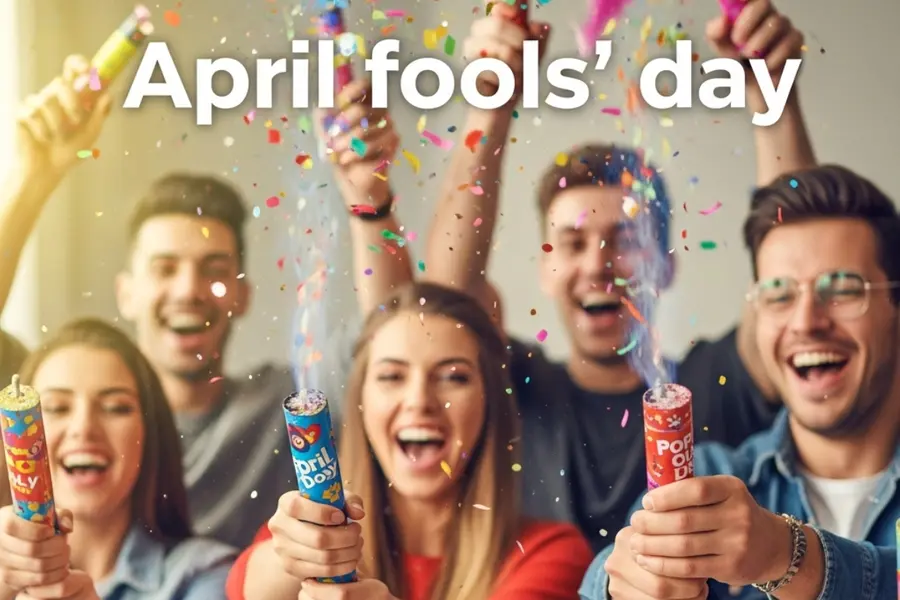
Every year on April 1st, people across the world celebrate one of the most fun and lighthearted occasions — April Fool’s Day. Known for jokes, pranks, and harmless tricks, this day brings laughter and surprise into everyday life.
In 2026, April Fool’s Day continues to be widely celebrated, especially in countries like India, the United States, the United Kingdom, and many parts of Europe. From playful office pranks to viral internet jokes, the day has evolved into a global phenomenon.
But have you ever wondered:
👉 Why do we celebrate April Fool’s Day?
👉 What is its history and significance?
👉 How has it changed in the digital era?
In this detailed news-style blog, we explore April Fool’s Day 2026, its origin, traditions, famous pranks, celebration ideas, and modern-day relevance.
📢 What Is April Fool’s Day?
April Fool’s Day is celebrated every year on April 1st, where people play practical jokes and hoaxes on friends, family, and even the public.
📌 Key Highlights:
- Celebrated worldwide
- Known for humor and tricks
- No official public holiday status
- Focus on harmless fun
People who fall for pranks are often called “April fools.”
📜 History of April Fool’s Day
The exact origin of April Fool’s Day is unclear, but several theories explain its beginnings.
🏰 1. The French Calendar Theory
One of the most popular explanations dates back to 16th-century France.
📌 What Happened:
- France shifted from the Julian calendar to the Gregorian calendar
- New Year moved from late March to January 1
- People who continued celebrating in April were mocked
These people were called “April fools,” and pranks became a tradition.
🎭 2. Ancient Roman Festivals
Some historians link April Fool’s Day to ancient Roman celebrations like Hilaria, which involved disguises and jokes.
🌸 3. Seasonal Change Theory
April marks the transition from winter to spring.
📌 Idea:
- Weather becomes unpredictable
- Nature “fools” people with sudden changes
- Inspired playful traditions
🌍 How April Fool’s Day Is Celebrated Around the World
Different countries celebrate April Fool’s Day in unique ways.
🇮🇳 India
- Friends and family play pranks
- Social media jokes trend widely
- Schools and offices participate
🇫🇷 France
- Known as “Poisson d’Avril” (April Fish)
- People stick paper fish on others’ backs
🇬🇧 United Kingdom
- Pranks are played only until noon
- After noon, pranksters themselves are considered fools
🇺🇸 United States
- Media and companies release fake news
- Viral pranks dominate the internet
😂 Popular April Fool’s Day Pranks
April Fool’s Day is famous for creative and sometimes unbelievable pranks.
📌 Classic Pranks:
- Fake news announcements
- Switching sugar and salt
- Fake calls or messages
- Office pranks
🌐 Famous April Fool’s Pranks in History
Over the years, some pranks have become legendary.
📺 BBC’s Spaghetti Tree (1957)
The BBC aired a fake documentary about spaghetti growing on trees — many viewers believed it.
🧪 Google Hoaxes
Companies like Google have created famous April Fool’s jokes, including:
- Fake products
- Unrealistic tech features
- Fun announcements
🍔 Burger King’s Left-Handed Whopper
A prank menu item designed for left-handed customers fooled thousands.
📱 April Fool’s Day in the Digital Age
With the rise of the internet, April Fool’s Day has evolved dramatically.
📌 Modern Trends:
- Viral social media pranks
- Fake product launches
- Influencer participation
- Meme culture
⚠️ Risks of April Fool’s Day
While the day is meant for fun, it can sometimes go wrong.
❌ Potential Issues:
- Spreading misinformation
- Emotional harm
- Workplace problems
- Safety risks
🧠 Guidelines for Safe Pranking
To ensure fun without harm:
✅ Tips:
- Keep pranks harmless
- Avoid sensitive topics
- Respect boundaries
- Don’t spread fake panic
👨💼 April Fool’s Day in Offices
Workplaces often celebrate with light humor.
📌 Common Office Pranks:
- Fake meetings
- Desk rearrangements
- Funny emails
However, professionalism should be maintained.
🧒 April Fool’s Day for Kids
Children enjoy simple and safe pranks.
📌 Ideas:
- Fake treasure hunts
- Silly jokes
- Surprise gifts
📈 Impact on Media and Brands
Brands actively participate in April Fool’s Day.
📌 Benefits:
- Increased engagement
- Brand visibility
- Customer interaction
⚖️ April Fool’s Day vs Fake News
In today’s world, the line between humor and misinformation is thin.
📌 Concern:
- Fake news can spread quickly
- People may take jokes seriously
🎉 Why People Love April Fool’s Day
Despite risks, the day remains popular.
📌 Reasons:
- Brings laughter
- Breaks routine
- Encourages creativity
- Strengthens social bonds
🧠 Psychological Aspect
Laughter has proven benefits.
📌 Effects:
- Reduces stress
- Improves mood
- Strengthens relationships
🔮 Future of April Fool’s Day
As technology evolves, so will pranks.
📌 Future Trends:
- AI-generated pranks
- Virtual reality jokes
- Advanced digital hoaxes
📣 Expert Opinion
Experts believe April Fool’s Day is valuable if practiced responsibly.
📌 Insight:
- Humor is essential in life
- Balance is key
- Respect others’ feelings
🏁 Final Verdict
April Fool’s Day remains one of the most enjoyable and widely celebrated unofficial occasions across the globe. While its origins may be uncertain, its purpose is clear — to spread laughter and joy.
In 2026, as the world becomes more digital, the way we celebrate April Fool’s Day continues to evolve. However, the core idea remains unchanged: fun, creativity, and harmless humor.
So whether you’re planning a prank or trying to avoid becoming an “April fool,” remember one thing — the best jokes are the ones that make everyone laugh.