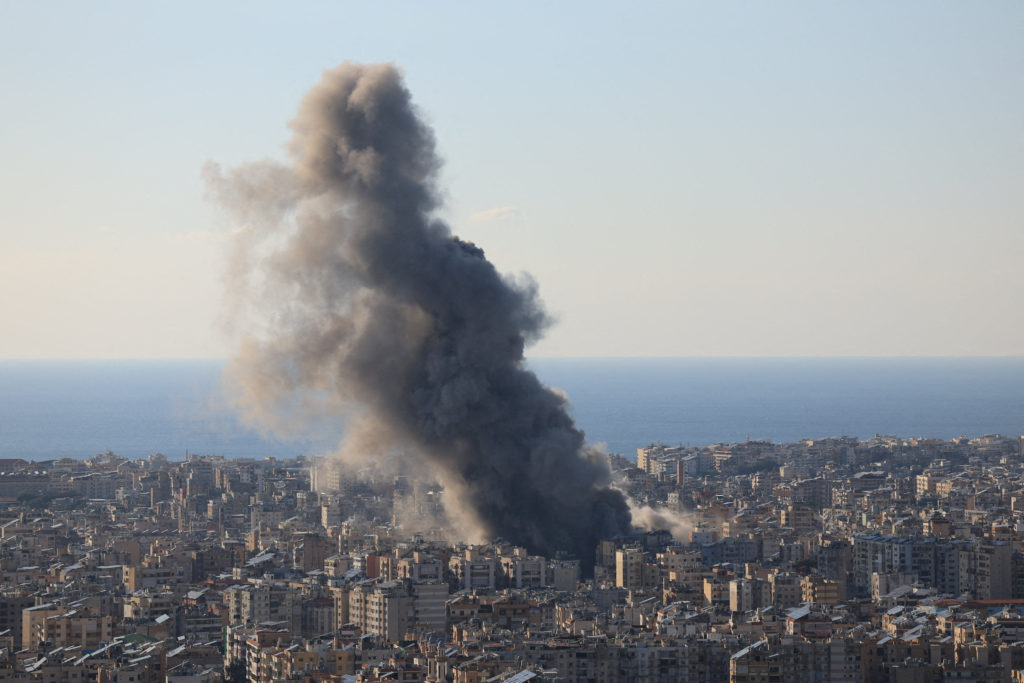
The ongoing conflict between Israel and Iran has become one of the most serious geopolitical crises of 2026. What started as targeted military strikes quickly escalated into a wider war involving missile attacks, drone strikes, and regional tensions across the Middle East.
The conflict intensified after joint military operations carried out by Israel and the United States targeted multiple Iranian facilities. These attacks triggered strong retaliation from Iran, which launched missiles and drones toward Israeli territory and several US-linked targets across the region.
The situation has raised global concerns about the possibility of a prolonged war that could affect international security, oil supplies, and economic stability.
What Started the Israel–Iran War in 2026?
The latest conflict began on February 28, 2026, when Israel launched a large-scale military operation known as Operation Lion’s Roar against Iranian targets.
According to reports, the strikes targeted:
Military facilities
Missile bases
Nuclear-related sites
Infrastructure in major Iranian cities including Tehran
The attacks were conducted by the Israel Defense Forces and were reportedly coordinated with US military support.
Israel said the operation was necessary to prevent Iran from strengthening its military and nuclear capabilities.
However, Iran condemned the attack as an act of aggression and vowed to respond.
Iran’s Retaliation Against Israel
Soon after the strikes, Iran launched a large wave of retaliatory attacks.
According to reports, Iranian forces fired:
Ballistic missiles
Drones
Cruise missiles
Several Israeli cities experienced missile alerts and air defense activations. Some missiles managed to penetrate defense systems and caused casualties and infrastructure damage.
Iran also targeted US military bases and allied facilities across the Middle East.
The Conflict Spreads Across the Region
The war did not remain limited to Israel and Iran.
The crisis expanded across multiple Middle Eastern countries.
For example:
Iranian missile and drone attacks targeted locations in the United Arab Emirates.
Several people were killed and more than 100 injured during these attacks.
Gulf nations increased security and air defense readiness.
Meanwhile, Iran-backed militant groups such as Hezbollah also launched rockets toward Israel, raising fears of a broader regional war.
Impact on Global Oil Supply
One of the most serious global consequences of the war has been disruptions in the Strait of Hormuz.
This narrow waterway handles nearly 20% of the world’s oil trade.
During the conflict:
Shipping routes were disrupted
Several ships were damaged
Insurance costs for cargo vessels increased dramatically
These developments pushed oil prices higher and created uncertainty in global energy markets.
Civilian Casualties and Humanitarian Concerns
As the conflict continues, civilian casualties have been reported on both sides.
Reports indicate that:
Iranian cities have been heavily bombed
Israeli towns have faced missile strikes
Infrastructure damage has disrupted daily life
Thousands of civilians have been injured or displaced during the conflict.
International organizations have called for humanitarian assistance and protection of civilian populations.
Global Reactions to the War
The international community has reacted with concern to the escalating conflict.
Several countries and organizations have urged both sides to avoid further escalation.
Diplomatic efforts are underway to prevent the situation from developing into a full-scale regional war.
Countries such as Russia, China, and European governments have called for dialogue and peace negotiations.
However, achieving a ceasefire remains difficult because both sides continue to accuse each other of aggression.
Political Leadership and War Strategy
The war has been heavily influenced by political leaders in the region.
Key figures involved include:
Benjamin Netanyahu
Donald Trump
Iranian leadership and military commanders
Each government has justified its actions as necessary for national security.
At the same time, critics argue that the conflict risks destabilizing the entire Middle East.
Why Israel and Iran Are Long-Time Rivals
The rivalry between Israel and Iran did not begin in 2026.
For decades, tensions have existed due to:
Iran’s nuclear program
Regional influence in Syria and Lebanon
Support for opposing political groups
Security concerns in the Middle East
These tensions have led to several indirect confrontations in the past, often involving cyberattacks, covert operations, and proxy conflicts.
The current war represents the most direct confrontation between the two countries in recent history.
Social Media and Global Attention
The Israel–Iran war has also become a major topic on social media.
Videos and images from missile strikes, air defense systems, and damaged cities have spread quickly online.
Hashtags related to the war have trended globally, reflecting the intense public interest in the conflict.
However, experts warn that misinformation can spread quickly during conflicts, making it important to rely on verified news sources.
Could the War Escalate Further?
Many analysts fear that the conflict could expand into a broader regional war if additional countries become involved.
Possible risks include:
Expansion of fighting into neighboring countries
Increased attacks on global shipping routes
Higher oil prices and economic disruption
Humanitarian crises in affected regions
Diplomatic efforts are therefore focused on preventing further escalation.
Conclusion
The Israel–Iran war of 2026 has become one of the most significant geopolitical conflicts of the year.
What began as targeted military strikes has rapidly evolved into a broader confrontation involving missile attacks, regional tensions, and global economic consequences.
As the conflict continues, the international community is closely watching developments in the Middle East.
The coming weeks will likely determine whether the crisis moves toward diplomacy or escalates into an even larger war.