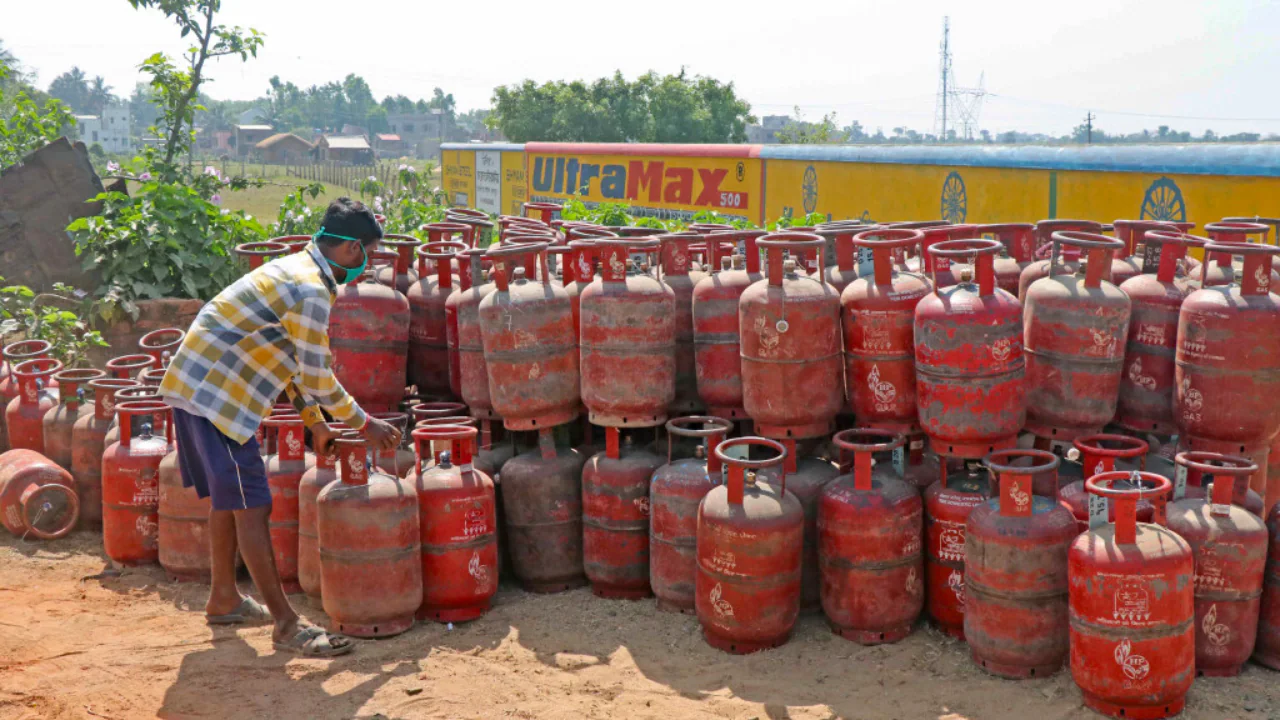
Cooking gas remains one of the most essential household utilities in modern urban life. In cities like Bengaluru, millions of households rely on LPG cylinders every day to prepare meals.
Over the past few years, the price of LPG cylinders has become a major topic of discussion among consumers. Rising fuel prices, global energy market changes, and domestic policy adjustments have all influenced LPG cylinder rates across India.
For residents of Bengaluru, understanding LPG pricing and subsidy policies is important because cooking gas expenses form a regular part of household budgets.
Major oil marketing companies such as Indian Oil Corporation, Bharat Petroleum, and Hindustan Petroleum supply LPG cylinders across the city through local distributors.
Current LPG Cylinder Price in Bangalore
Domestic LPG cylinder prices are revised periodically by oil marketing companies based on several factors.
These include:
international crude oil prices
currency exchange rates
transportation costs
government policies
In recent years, LPG prices in India have seen fluctuations due to global energy market volatility.
Consumers in Bengaluru typically use the 14.2 kg domestic LPG cylinder, which is the standard cooking gas cylinder used in most households.
Commercial establishments such as restaurants and hotels use larger cylinders with higher capacity.
Domestic vs Commercial LPG Cylinders
It is important to understand the difference between domestic and commercial LPG cylinders.
Domestic LPG Cylinders
Domestic cylinders are mainly used in households for cooking purposes.
They are smaller in size and are often eligible for government subsidies depending on consumer eligibility.
Commercial LPG Cylinders
Commercial cylinders are used by:
restaurants
hotels
catering services
food vendors
These cylinders are larger and more expensive because they are not subsidized.
Due to higher demand in the hospitality industry, commercial LPG consumption has increased significantly in Bengaluru.
Government Subsidy on LPG Cylinders
The government of India introduced subsidy programs to make LPG more affordable for households.
One of the most important initiatives is the Pradhan Mantri Ujjwala Yojana.
This scheme provides LPG connections to low-income households, especially in rural areas.
The goal is to encourage the use of clean cooking fuel instead of traditional fuels like firewood and coal.
Under this program, eligible beneficiaries receive financial support that helps reduce the cost of LPG cylinders.
Why LPG Prices Change Frequently
LPG prices do not remain fixed for long periods.
Several global and domestic factors influence LPG pricing.
1. Global Crude Oil Prices
LPG is derived from crude oil refining processes. When global oil prices rise, LPG prices also increase.
2. Transportation and Distribution Costs
Transporting cylinders across India requires extensive logistics networks.
Fuel prices and transportation costs directly affect final LPG prices.
3. Government Policy Changes
Tax policies, subsidy programs, and other regulatory decisions can also impact LPG prices.
Impact of LPG Price Changes on Households
For many families, cooking gas is a monthly expense that directly affects household budgets.
When LPG prices rise, families may try to reduce gas usage or switch to alternative cooking methods.
In cities like Bengaluru, where living costs are already high, LPG price increases can create additional financial pressure.
Households may adopt strategies such as:
using pressure cookers to reduce cooking time
planning meals more efficiently
switching to electric appliances for some cooking tasks
Impact on Restaurants and Food Businesses
The restaurant industry in Bengaluru also depends heavily on LPG cylinders.
Commercial LPG price increases can affect restaurant operating costs.
When cooking gas prices rise, restaurants may have to:
increase menu prices
reduce portion sizes
absorb additional costs
Small food vendors and street food stalls are particularly vulnerable to LPG price fluctuations.
Increasing Demand for LPG in Bangalore
Bengaluru’s population has grown rapidly over the past two decades.
The city attracts professionals, students, and entrepreneurs from across India.
As a result, the number of LPG connections has increased significantly.
New residential apartments, hostels, and paying guest accommodations all require LPG supply.
This rising demand makes Bengaluru one of the largest LPG consumption markets in southern India.
Alternative Cooking Options Emerging
With rising LPG prices, some households are exploring alternative cooking technologies.
These include:
Induction Cooktops
Electric induction stoves are becoming popular because they are energy efficient and easy to use.
Electric Pressure Cookers
These appliances reduce cooking time and electricity consumption.
Piped Natural Gas (PNG)
Some parts of Bengaluru are gradually introducing PNG networks that provide continuous gas supply without cylinders.
However, PNG infrastructure is still expanding and not available in every neighborhood.
Environmental Benefits of LPG
Despite price concerns, LPG remains one of the cleanest cooking fuels available.
Compared to traditional fuels such as wood or coal, LPG produces significantly fewer pollutants.
Using LPG helps reduce indoor air pollution, which is a major health concern in many households.
The promotion of LPG usage has played an important role in improving public health and environmental sustainability.
Safety Tips for LPG Cylinder Users
As LPG usage increases, safety awareness becomes extremely important.
Consumers should follow basic safety precautions to avoid accidents.
Important LPG Safety Tips
always keep cylinders in upright position
ensure good ventilation in the kitchen
regularly check for gas leaks
turn off the regulator when not in use
Following these precautions ensures safe cooking and prevents accidents.
Digital Booking and LPG Delivery
Modern technology has made LPG booking easier than ever.
Consumers can book cylinders through mobile apps and online platforms provided by oil companies.
Many customers now book cylinders using apps associated with companies like Indian Oil Corporation and Bharat Petroleum.
Digital booking systems also allow consumers to track delivery status and payment information.
Future of LPG Supply in Urban India
Energy experts believe LPG will continue to play a major role in urban cooking fuel systems.
However, the future may include a mix of energy sources such as:
LPG cylinders
piped natural gas
electric cooking appliances
Cities like Bengaluru are expected to adopt hybrid energy solutions that combine these technologies.
Conclusion
LPG gas cylinders remain an essential part of daily life for households and businesses in Bengaluru. While price changes and supply challenges occasionally create concerns, LPG continues to be one of the most reliable and widely used cooking fuels.
Government initiatives, technological improvements, and better distribution systems are expected to strengthen LPG supply in the future.
For residents of Bengaluru, understanding LPG pricing, subsidy programs, and safe usage practices can help manage household expenses while ensuring efficient and safe cooking.