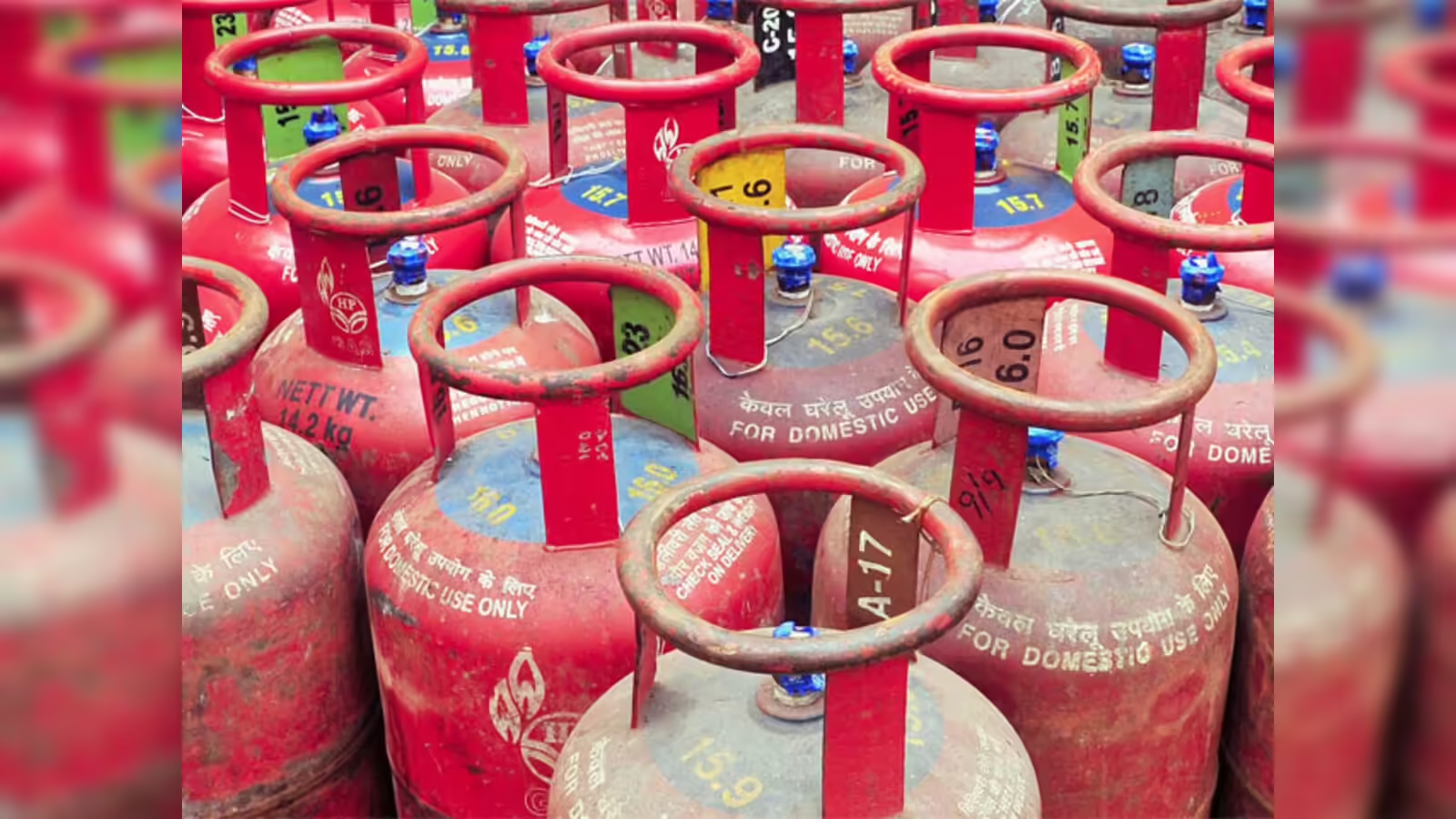
Cooking gas remains one of the most essential household utilities across India. In a major city like Bengaluru, where millions of families depend on LPG for daily cooking, changes in gas cylinder prices directly impact household budgets.
Liquefied Petroleum Gas (LPG) is the most widely used cooking fuel in India, distributed through government oil companies such as Indian Oil Corporation, Bharat Petroleum, and Hindustan Petroleum.
In recent months, LPG prices have been fluctuating across major cities, including Bengaluru. These price changes are influenced by global crude oil prices, transportation costs, government policies, and currency exchange rates.
For households in Bengaluru and across the state of Karnataka, staying updated with LPG price changes has become increasingly important.
Current LPG Cylinder Price in Bangalore
The price of a domestic LPG cylinder (14.2 kg) in Bengaluru typically ranges between ₹900 and ₹1,100, depending on the latest revisions announced by oil marketing companies.
Commercial LPG cylinders used by restaurants and businesses are significantly more expensive and can cost ₹1,700 to ₹2,000 or more.
The prices are revised periodically based on market conditions and government decisions.
Types of LPG Cylinders Available
Households and businesses generally use different types of LPG cylinders:
Domestic LPG cylinder (14.2 kg) – used in homes
Commercial LPG cylinder (19 kg) – used in restaurants and hotels
Small LPG cylinders (5 kg) – used by small households or travelers
Among these, the domestic cylinder is the most widely used across Bengaluru.
What Is LPG and Why Is It Important?
Liquefied Petroleum Gas (LPG) is a clean-burning fuel used for cooking, heating, and other household purposes.
It is mainly composed of propane and butane gases, which are compressed into liquid form for storage in cylinders.
LPG is preferred because:
it burns efficiently
produces less pollution
is easy to store and transport
provides instant heat for cooking
Because of these benefits, LPG has largely replaced traditional fuels like firewood and coal in urban areas.
LPG Usage in Bengaluru
Bengaluru is one of India’s fastest-growing metropolitan cities, with a population exceeding 12 million people.
Most households in the city rely on LPG cylinders for cooking. Even many apartment complexes and residential buildings depend on centralized LPG systems.
Apart from households, LPG is widely used by:
restaurants
street food vendors
hotels
catering services
small food businesses
Due to this widespread use, any change in LPG prices directly affects a large number of people.
Government LPG Subsidy Scheme
To support lower-income households, the government provides subsidies for LPG cylinders under the Pradhan Mantri Ujjwala Yojana.
This program was launched by the government of India to provide affordable cooking gas connections to poor households.
Millions of families across India have benefited from this initiative.
Benefits of the Scheme
The program offers:
financial support for LPG connections
subsidies on cylinder refills
improved access to clean cooking fuel
As a result, many rural and low-income families have shifted from traditional fuels to LPG.
Reasons Behind LPG Price Changes
LPG prices are influenced by several factors.
1. Global Crude Oil Prices
LPG is derived from crude oil and natural gas. When international crude oil prices increase, LPG prices also rise.
2. Currency Exchange Rate
Since India imports a large portion of its energy resources, fluctuations in the value of the Indian rupee against the US dollar can affect LPG costs.
3. Transportation and Distribution Costs
The cost of transporting LPG cylinders from refineries to cities like Bengaluru also contributes to price changes.
4. Government Policies
Subsidies and tax policies introduced by the government can influence LPG prices.
Impact of LPG Price Increase on Households
Rising LPG prices can significantly affect household budgets.
For middle-class families, cooking gas is a basic necessity. When cylinder prices increase, families may need to adjust their monthly expenses.
Common impacts include:
higher monthly household expenses
reduced spending on other necessities
increased financial pressure on low-income families
Many families try to use LPG more efficiently to reduce consumption.
Impact on Restaurants and Food Businesses
Restaurants and food businesses in Bengaluru rely heavily on LPG cylinders.
When commercial LPG prices increase, businesses may experience higher operating costs.
This can lead to:
higher food prices
reduced profit margins
increased pressure on small food vendors
Some businesses try to manage costs by improving fuel efficiency in their kitchens.
Steps Consumers Can Take to Save LPG
With rising LPG prices, many households are looking for ways to reduce gas consumption.
1. Use Energy-Efficient Cooking Methods
Using pressure cookers and covered pots can reduce cooking time and gas usage.
2. Maintain LPG Stoves Properly
Regular cleaning and maintenance of burners ensures efficient fuel usage.
3. Avoid Gas Leakage
Checking for leaks can prevent gas wastage and improve safety.
4. Cook Multiple Dishes Together
Preparing multiple items at once can help reduce overall cooking time.
These small changes can help households save gas and reduce expenses.
Future Outlook for LPG Prices
Experts believe LPG prices will continue to fluctuate depending on global energy markets.
Several factors could influence future LPG prices:
global crude oil demand
geopolitical events
government subsidy policies
domestic energy production
However, governments often intervene to ensure that LPG remains affordable for households.
Alternative Cooking Energy Options
As energy prices fluctuate, many households are also exploring alternative cooking methods.
Some alternatives include:
electric induction stoves
piped natural gas (PNG) connections
solar cooking solutions
In cities like Bengaluru, PNG pipelines are gradually expanding, offering an alternative to LPG cylinders in some areas.
Safety Guidelines for LPG Users
Using LPG safely is extremely important.
Consumers should follow basic safety guidelines:
keep the cylinder in an upright position
ensure proper ventilation in the kitchen
check the regulator regularly
never place the cylinder near heat sources
These precautions can prevent accidents and ensure safe usage.
Conclusion
LPG gas cylinders remain a crucial part of everyday life in Bengaluru. From households to restaurants, millions of people rely on LPG for cooking and other purposes.
While price fluctuations can affect household budgets, government subsidies and energy-saving practices help reduce the impact.
As India continues to expand access to clean cooking fuel, LPG will remain an essential energy source for millions of families across the country.
Keeping track of LPG price updates and using gas efficiently can help consumers manage costs and ensure sustainable energy usage.