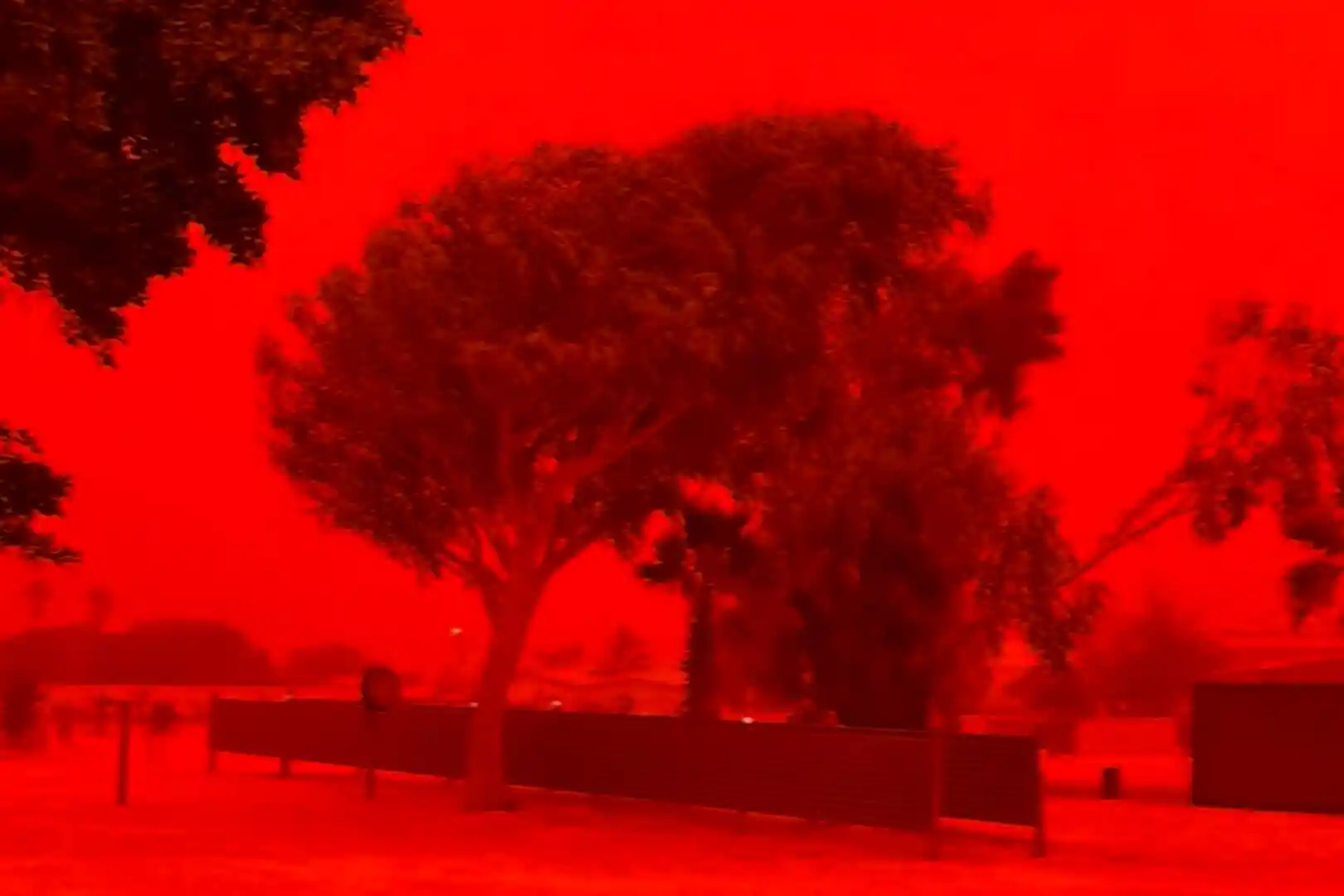
The emergence of Tropical Cyclone Narelle has captured global attention not only because of its intensity but also due to the dramatic and surreal “red sky” phenomenon witnessed in several regions. As images and videos flood social media, many are left wondering what caused the sky to turn red and whether it signals something dangerous.
Cyclones are known for their destructive potential, but occasionally, they also create rare atmospheric visuals. The combination of Tropical Cyclone Narelle and unusual sky coloration has made this weather event both fascinating and concerning.
In this detailed news-style blog, we explore Cyclone Narelle’s latest updates, the science behind the red sky, affected regions, safety measures, and environmental impact.
📢 What is Tropical Cyclone Narelle?
Tropical Cyclone Narelle is a powerful tropical system that developed over warm ocean waters, gaining strength due to favorable atmospheric conditions.
📌 Key Highlights:
- Originated in the Indian Ocean
- Strengthened into a severe cyclonic system
- Caused strong winds, heavy rainfall, and rough seas
Cyclones like Narelle are classified based on wind speeds and pressure systems, and this one has shown significant intensity.
🌍 Regions Affected by Cyclone Narelle
The cyclone has impacted several coastal and nearby regions.
📍 Major Areas:
- Western Australia coastal zones
- Parts of the Indian Ocean region
- Offshore marine routes
Authorities in these regions issued warnings, urging residents and fishermen to remain cautious.
🌅 The Red Sky Phenomenon Explained
One of the most talked-about aspects of Tropical Cyclone Narelle is the striking red sky seen before and during the cyclone’s approach.
📌 What Causes the Red Sky?
The red sky phenomenon occurs due to:
- Scattering of sunlight by dust and moisture particles
- Presence of thick clouds associated with the cyclone
- Low-angle sunlight during sunrise or sunset
When sunlight passes through a dense atmosphere filled with particles, shorter wavelengths (blue light) scatter, leaving longer wavelengths (red/orange) visible.
🔬 Scientific Explanation Behind Red Sky
The phenomenon can be explained using atmospheric science.
📌 Key Factors:
- High humidity levels
- Suspended particles like dust and aerosols
- Thick cloud cover
These conditions intensify the red coloration, especially during sunrise or sunset.
📸 Why Did It Go Viral?
The dramatic visuals of a deep red sky created a sense of awe and concern.
📱 Reasons for Viral Trend:
- Unusual and striking visuals
- Association with extreme weather
- Social media amplification
Many users shared images, describing the sky as “apocalyptic” or “otherworldly.”
⚠️ Is the Red Sky Dangerous?
While visually alarming, the red sky itself is not dangerous.
📌 Important Clarification:
- It is a natural atmospheric effect
- Does not directly indicate danger
- However, it often accompanies severe weather conditions
The real threat comes from the cyclone, not the sky color.
🌧️ Weather Conditions During Cyclone Narelle
The cyclone has brought extreme weather conditions.
🌪️ Key Impacts:
- Heavy rainfall
- Strong winds
- Storm surges
- Reduced visibility
These conditions can lead to flooding, infrastructure damage, and disruptions.
🏠 Impact on Local Communities
Communities in affected areas have faced challenges.
📌 Effects:
- Power outages
- Transportation disruptions
- Property damage
- Evacuations
Authorities have been working to ensure safety and provide assistance.
🚨 Government and Safety Measures
Local authorities have issued guidelines to minimize risks.
📌 Safety Tips:
- Stay indoors during the cyclone
- Avoid coastal areas
- Follow official weather updates
- Keep emergency supplies ready
Preparedness is crucial during such events.
🌊 Marine and Coastal Impact
Cyclone Narelle has significantly affected marine conditions.
📌 Effects:
- Rough seas
- High waves
- Risk to fishing vessels
Fishermen have been advised to avoid venturing into the sea.
🌱 Environmental Impact
Cyclones also impact the environment.
📌 Possible Effects:
- Coastal erosion
- Damage to vegetation
- Impact on marine ecosystems
While destructive, cyclones also play a role in redistributing heat and moisture globally.
📊 Climate Change and Cyclones
Experts link increasing cyclone intensity to climate change.
📌 Observations:
- Warmer ocean temperatures
- More frequent extreme weather events
- Increased unpredictability
Cyclone Narelle is part of a broader pattern of changing weather systems.
🧠 Public Awareness and Education
The red sky phenomenon has sparked curiosity and awareness.
📌 Importance:
- Encourages understanding of weather science
- Promotes disaster preparedness
- Reduces panic through knowledge
Educating people helps in better response to such events.
🔮 Future Outlook
Meteorologists are closely monitoring Tropical Cyclone Narelle.
📌 Expected Developments:
- Possible weakening over time
- Continued rainfall in affected areas
- Gradual return to normal conditions
However, vigilance remains important.
⚖️ Myths vs Reality
The red sky has led to several myths.
❌ Myths:
- Sign of impending disaster
- Supernatural occurrence
✅ Reality:
- Natural atmospheric phenomenon
- Scientifically explainable
Understanding the facts helps avoid unnecessary fear.
🏁 Final Verdict
The combination of Tropical Cyclone Narelle and the stunning red sky phenomenon has created a rare and captivating event. While the visuals are mesmerizing, the underlying cyclone poses real risks that require caution and preparedness.
The red sky serves as a reminder of the powerful forces of nature and the importance of understanding weather patterns. As climate conditions continue to evolve, such events may become more frequent, making awareness and preparedness essential.