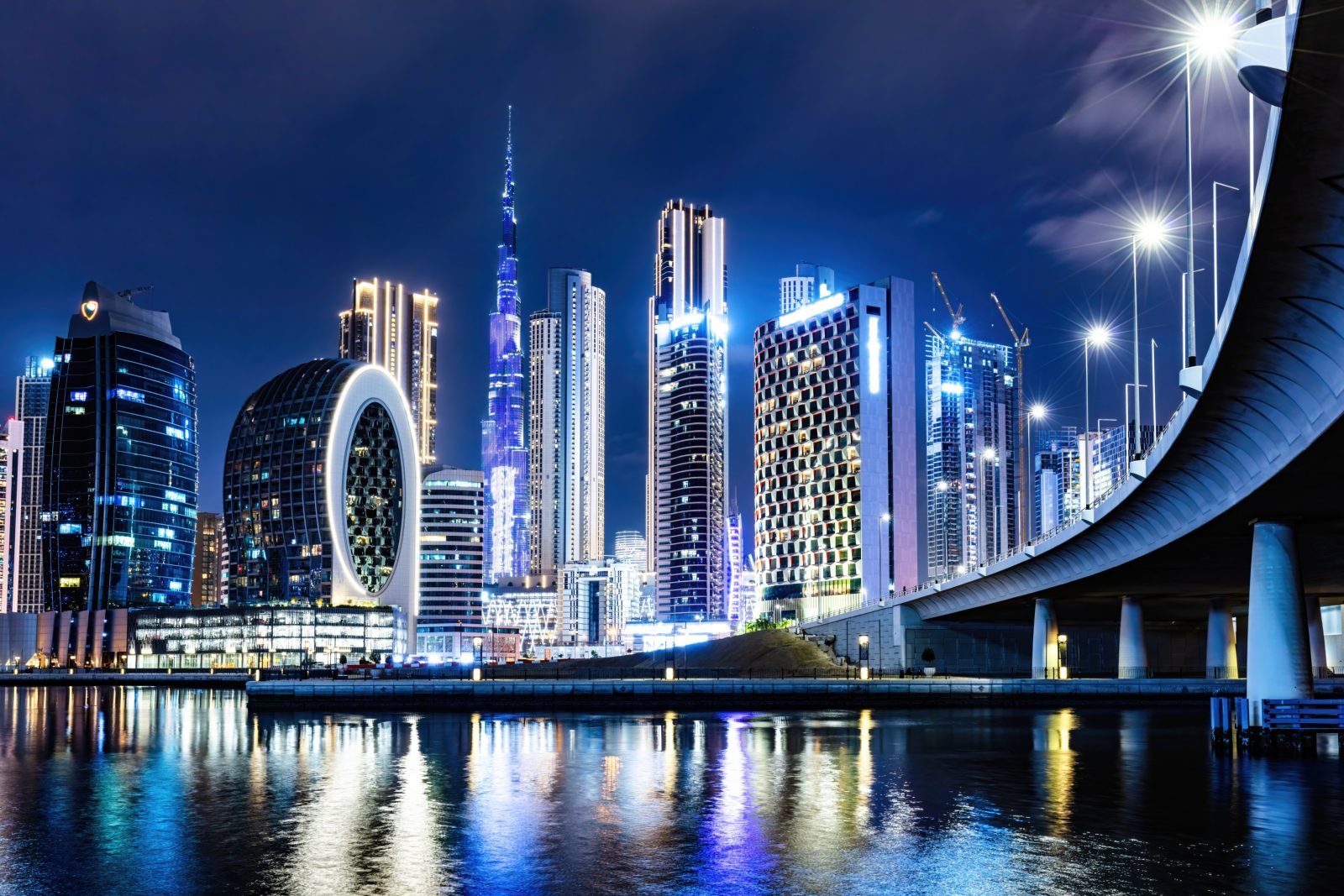
The Dubai and the wider United Arab Emirates remain among the most important global hubs for tourism, business, and aviation. However, recent regional tensions in the Middle East and developments in international politics have placed the Gulf region in the global spotlight.
Dubai, known for its luxury tourism, financial services, and world-class infrastructure, continues to adapt to new challenges while maintaining its status as one of the most influential cities in the Middle East.
From travel disruptions to new government policies, several developments have shaped recent news in the UAE.
Regional Conflict Impacting the UAE
One of the most significant issues affecting the region is the ongoing geopolitical tension involving Iran and Western allies.
Recent reports indicate that missile and drone attacks linked to the broader Middle East conflict have affected parts of the Gulf region, including areas near the UAE. These attacks followed military operations conducted by the United States and Israel against Iranian targets.
Although many of the incoming missiles and drones were intercepted by air defense systems, the situation has created anxiety among residents and businesses in the Gulf. Some debris reportedly caused damage to buildings in areas around Dubai and Abu Dhabi.
Experts say the conflict could reshape political relationships and security strategies across the Gulf region.
Dubai’s Image as a Global Safe Haven
For decades, Dubai has been known as one of the safest and most stable business hubs in the world. Its strategic location between Europe, Asia, and Africa helped the city become a major international trade center.
However, recent regional tensions have tested this reputation. According to reports, missile attacks and security concerns have raised questions about the stability of the Gulf’s financial centers.
Despite these challenges, UAE authorities have emphasized that security systems remain strong and that the country continues to maintain stability.
Dubai’s leadership has repeatedly reassured residents and international investors that the government is taking all necessary measures to protect infrastructure and maintain normal life in the city.
Flights and Travel Disruptions
Another major development affecting Dubai involves disruptions to international air travel.
Because of regional tensions and temporary airspace closures, thousands of travelers experienced delays and flight cancellations in recent days. Airlines such as Emirates, Flydubai, and Etihad had to adjust schedules and temporarily suspend certain routes.
However, aviation authorities have begun restoring operations gradually. Flights are now resuming in phases as security conditions stabilize and airspace restrictions are lifted.
This gradual recovery is expected to help international tourism and business travel return to normal levels.
UAE Support for Stranded Tourists
During the recent travel disruptions, thousands of tourists were stranded in the UAE because of cancelled flights.
In response, UAE authorities introduced special measures to assist affected travelers. The government announced that hotel stays and meal expenses would be covered for tourists who were unable to leave the country due to flight cancellations.
These efforts were designed to ensure the safety and comfort of visitors while travel operations were being restored.
Such measures have also helped reinforce the UAE’s reputation as a tourist-friendly destination.
Tourism Sector Continues to Operate
Despite the regional situation, tourism in Dubai remains largely operational.
Government officials have confirmed that hotels, entertainment venues, cultural sites, and tourist attractions continue to function under strict safety guidelines.
Dubai’s tourism sector has been one of the main drivers of its economy. In fact, the city recorded a record number of international visitors in recent years, attracting millions of tourists from around the world.
Major attractions such as the Burj Khalifa, Dubai Mall, and Museum of the Future continue to welcome visitors.
Authorities say they are closely monitoring developments and are ready to respond quickly if conditions change.
New Safety Laws in Dubai
The Dubai government has also introduced new safety regulations aimed at strengthening the city’s reputation as a secure place to live and visit.
According to reports, new rules introduced by the ruler of Dubai could impose heavy penalties on individuals or organizations that violate public safety regulations. Some violations may result in fines of up to two million dirhams.
These laws are part of the government’s efforts to maintain high safety standards and ensure that Dubai remains one of the safest cities in the world.
Economic Strength of Dubai
Despite geopolitical challenges, Dubai’s economy remains strong.
The city has successfully diversified its economy beyond oil, focusing on sectors such as tourism, trade, aviation, and financial services. Oil currently contributes only a very small portion of Dubai’s total economic output.
This diversification has allowed Dubai to maintain steady economic growth even during periods of global uncertainty.
Major business districts like the Dubai International Financial Centre continue to attract international companies and investors.
Mega Infrastructure Projects in Dubai
Dubai is also investing heavily in futuristic infrastructure projects that aim to transform urban transportation and tourism.
One notable example is the Dubai Loop, an underground transportation system being developed with advanced tunnel technology.
The first phase of this project will connect important areas such as the financial district and Dubai Mall, reducing travel time between major locations from around 20 minutes to just a few minutes.
Such ambitious projects demonstrate Dubai’s long-term vision to remain a global leader in innovation and urban development.
Impact on Business and Luxury Markets
Dubai is also a major center for luxury shopping and global retail brands.
However, recent tensions in the Middle East have raised concerns about the potential impact on luxury markets and tourism spending.
Analysts say that travel warnings and regional instability could temporarily reduce consumer spending in sectors such as luxury fashion and retail.
Nevertheless, many experts believe that Dubai’s strong infrastructure and global reputation will help the city recover quickly once the regional situation stabilizes.
International Attention on Dubai
Because Dubai serves as a global hub connecting Europe, Asia, and Africa, developments in the city often attract worldwide attention.
Governments, airlines, investors, and tourism companies closely monitor events in the UAE because changes in the region can influence international travel, trade routes, and global markets.
Dubai’s role as a financial and tourism powerhouse means that its stability remains important not only for the Middle East but also for the global economy.
Conclusion
Recent events have brought the UAE and Dubai into the global spotlight as regional tensions, travel disruptions, and economic challenges continue to shape the Middle East.
Despite these developments, Dubai remains a resilient city known for its advanced infrastructure, strong economy, and thriving tourism industry.
With ongoing government initiatives, security measures, and economic diversification, the UAE aims to maintain stability and continue attracting millions of visitors and investors from around the world.
As the regional situation evolves, Dubai’s ability to adapt and innovate will play a key role in shaping its future as one of the world’s most influential cities.