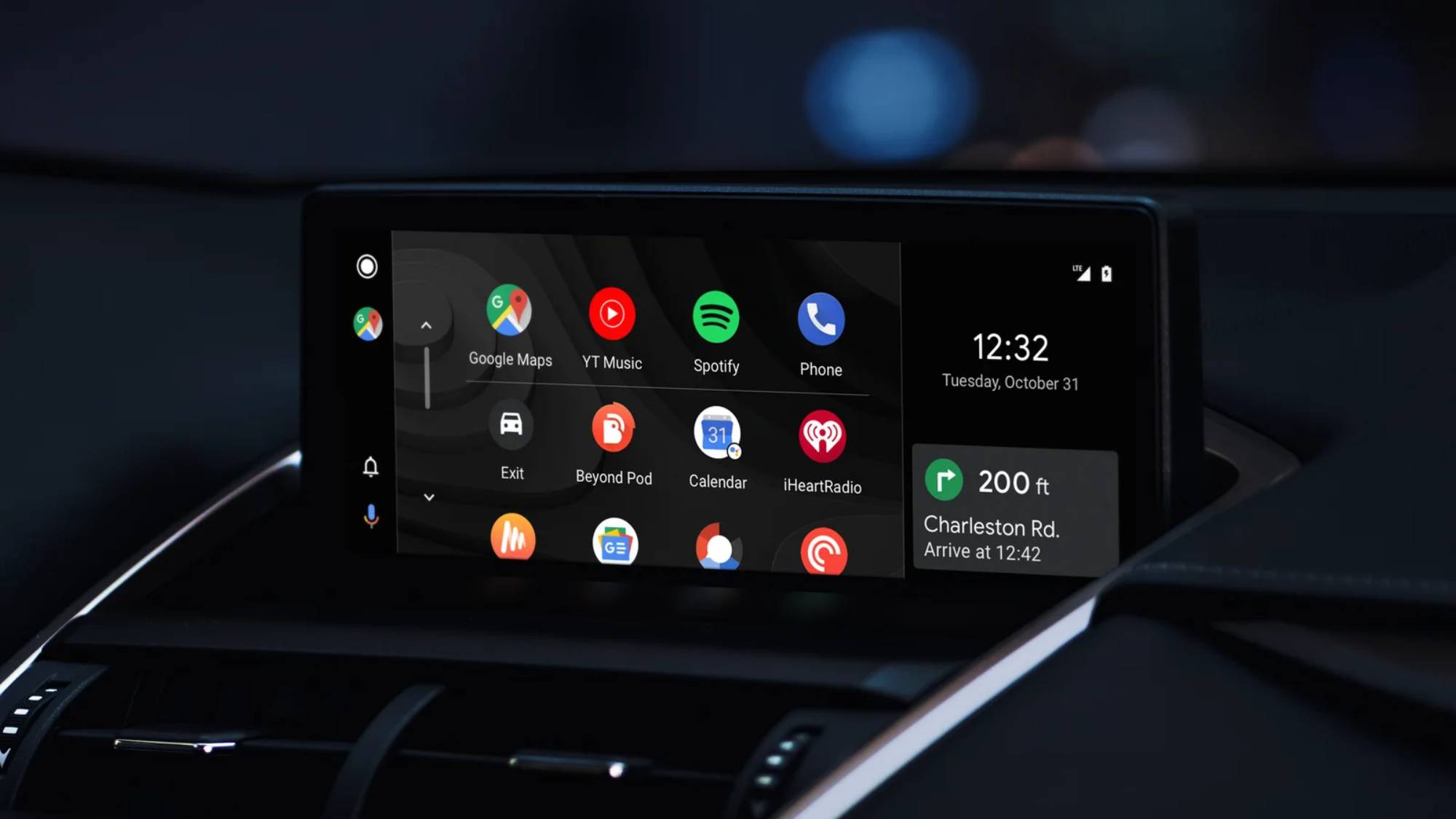
In a significant yet cautious move, YouTube has reportedly begun rolling out support for Android Auto, marking a long-awaited integration between one of the world’s largest video platforms and in-car infotainment systems.
However, the update comes with a major limitation — users cannot watch videos. Instead, the feature is restricted to audio-only playback and basic controls, raising questions about usability, safety, and future possibilities.
This development has sparked widespread discussion among tech enthusiasts, drivers, and Android users. While it adds new functionality, it also highlights the strict safety regulations governing in-car technology.
In this detailed news-style blog, we explore YouTube Android Auto support, features, limitations, reasons behind restrictions, user reactions, and future expectations.
📢 What Is the New YouTube Android Auto Feature?
The latest update introduces limited integration of YouTube into Android Auto, allowing users to control YouTube playback directly from their car’s dashboard.
📌 Key Highlights:
- YouTube content can now be accessed via Android Auto
- Playback appears in the media control interface
- Supports play, pause, and skip options
- No video playback available
This means YouTube behaves more like a music or podcast app rather than a video platform.
🎧 Audio-Only Playback: The Biggest Limitation
The most important limitation of this rollout is:
👉 Users cannot watch videos on Android Auto
Instead, they can only listen to the audio from YouTube videos.
📌 What You Can Do:
- Listen to podcasts
- Play music videos as audio
- Stream educational or talk content
❌ What You Cannot Do:
- Watch videos
- Browse YouTube on car screen
- Seek within a video timeline
This significantly changes how YouTube is used inside vehicles.
🚫 Why Video Playback Is Disabled
The restriction is not technical — it is intentional and safety-driven.
📌 Main Reason:
- Prevent driver distraction
Global automotive safety regulations prohibit video playback while driving, ensuring drivers remain focused on the road.
Watching videos while driving can be dangerous, and companies like Google strictly enforce these guidelines.
⚙️ How the Feature Works
Unlike a full app, YouTube integration works in a limited way.
📌 Functionality Explained:
- YouTube runs on your smartphone
- Android Auto displays playback controls
- Appears in the media widget (like Spotify)
- Controlled via touchscreen or steering buttons
There is no standalone YouTube app interface on Android Auto.
💰 Premium Requirement for Full Access
Another key limitation is that this feature may require:
👉 YouTube Premium subscription
📌 Why?
- Background playback is needed
- Free users typically cannot play audio in background
Reports suggest that only Premium users can fully access this feature.
📊 Key Features vs Limitations
✅ Features:
- Audio playback from YouTube
- Basic media controls
- Integration with car dashboard
- Hands-free usage
❌ Limitations:
- No video playback
- No browsing interface
- No timeline control
- Limited to Premium users
📱 User Reactions and Social Media Buzz
The rollout has generated mixed reactions online.
📌 Positive Feedback:
- Useful for podcasts and music
- Safer driving experience
- Better integration with Android Auto
📌 Negative Feedback:
- No video support
- Limited functionality
- Requires subscription
Many users expected a full YouTube experience, leading to disappointment.
🧠 Why This Update Still Matters
Despite limitations, this update is still significant.
📌 Importance:
- First official YouTube integration in Android Auto
- Eliminates need for third-party apps
- Improves user experience
Previously, users relied on unofficial apps to access YouTube in cars.
🚗 Understanding Android Auto
Android Auto is designed to provide a safe and simplified interface for drivers.
📌 Core Functions:
- Navigation (Google Maps)
- Music streaming
- Calls and messaging
- Voice commands
It mirrors selected smartphone apps onto the car’s display while minimizing distractions.
⚖️ Android Auto vs Android Automotive
It is important to distinguish between:
📌 Android Auto:
- Works via smartphone connection
- Limited app functionality
📌 Android Automotive:
- Built into the car system
- Can support more features
Future YouTube features may be more advanced in Android Automotive systems.
🔮 Future Possibilities
This rollout could be just the beginning.
📌 Expected Future Updates:
- Expanded controls
- Better playlist management
- Improved integration
- Possibly video playback when parked
Google may gradually enhance features while maintaining safety standards.
🌍 Global Impact of the Update
The update is expected to roll out globally in phases.
📌 Impact:
- Better in-car entertainment
- Increased YouTube usage
- More Premium subscriptions
This move also strengthens Google’s ecosystem.
📊 Impact on Competitors
This update could affect other platforms.
📌 Competitors:
- Spotify
- Apple CarPlay apps
- Podcast platforms
YouTube now competes directly in the in-car audio space.
⚠️ Limitations That Still Need Fixing
Users have highlighted several areas for improvement:
- Lack of search functionality
- No playlist browsing
- Limited controls
- Dependency on phone
Addressing these could improve adoption.
🧠 Safety vs Convenience Debate
The update highlights an ongoing debate:
⚖️ Safety:
- Prevent distractions
- Ensure responsible driving
⚖️ Convenience:
- Provide full app experience
- Enhance user engagement
Balancing both remains a challenge.
📣 Expert Opinion
Tech experts believe this is a step in the right direction, even if limited.
📌 Insights:
- Safer integration is better than full access
- Gradual rollout allows testing
- Future updates may expand features
🏁 Final Verdict
The rollout of YouTube on Android Auto marks a significant milestone, but it comes with clear limitations. While users can now enjoy audio content from YouTube in their cars, the absence of video playback and browsing features may feel restrictive.
However, these limitations are driven by safety concerns, making the feature more practical than problematic. For users who rely on YouTube for music, podcasts, or educational content, this update adds real value.
As technology evolves, we can expect more refined features in the future — but for now, YouTube on Android Auto is more about listening than watching.